
Fair prices. Fast approvals. Your health always comes first. Get Qualified for a Missouri Medical Marijuana Card Today.
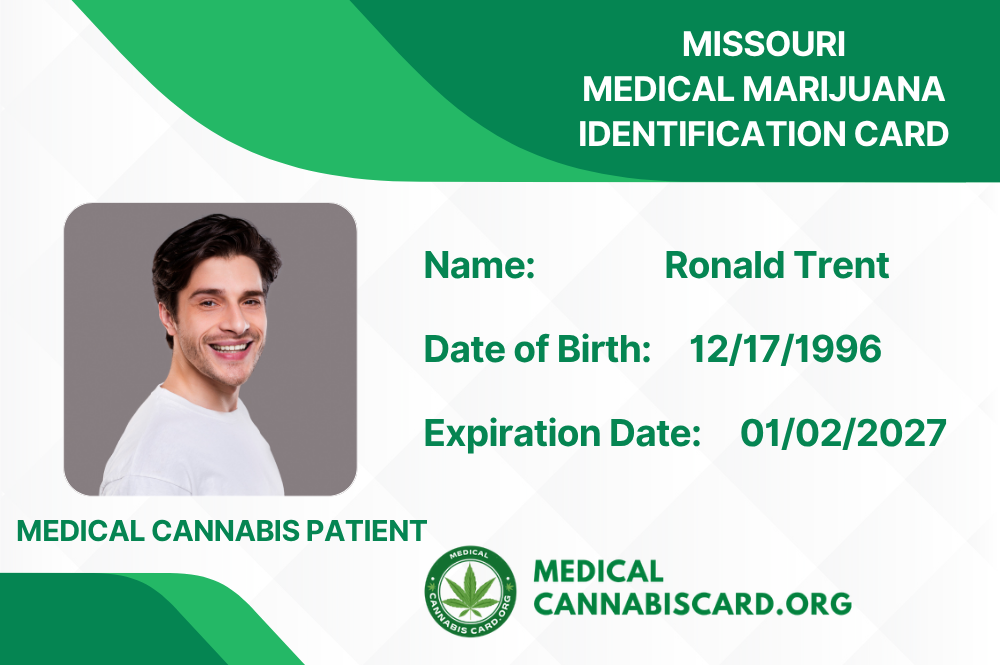
Living in Missouri means dealing with a variety of health challenges. From the bone-chilling humidity of a St. Louis winter to the high-pollen spring days in the Ozarks that trigger severe migraines, Missourians deserve relief. If you are seeking a natural way to manage your health, you need to know the qualifying conditions for Medical Card in Missouri 2026.
Even though recreational marijuana is legal in our state, having a medical card provides better legal protection, lower taxes at the dispensary, and higher possession limits for those living in everything from historic Soulard lofts to sprawling ranch homes in Springfield.
The Missouri Department of Health and Senior Services (DHSS) manages the medical program. They have a specific list of health issues that allow a person to use cannabis legally. As we move through 2026, these rules remain focused on patient safety and accessibility.
The goal of the program is to help people who have not found relief through traditional medicine. Whether you are a farmer in rural Pemiscot County or a tech worker in Kansas City’s Power and Light District, the state wants to ensure that patients with debilitating illnesses have a safe, tested, and legal source of medicine.
To get your card, a licensed doctor must certify that you suffer from at least one of the following conditions. Here are the qualifying conditions for Medical Card in Missouri 2026 that are currently recognized by the state:
Cancer treatment often involves chemotherapy or radiation. These can cause severe nausea, loss of appetite, and extreme pain. Medical marijuana is frequently used by Missouri patients to help manage these side effects and improve their quality of life during recovery.
For those living with seizure disorders, cannabis has shown incredible results. Many patients find that certain strains help reduce the frequency and severity of seizures when other medications fail.
This condition causes high pressure in the eyes and can lead to blindness. Medical marijuana can help reduce intraocular pressure, providing relief for patients who are at risk of losing their vision.
Missouri weather is famous for rapid pressure changes. These shifts can trigger “intractable” migraines—headaches so severe they do not respond to normal treatment. If you find yourself stuck in a dark room in your Columbia home every time a storm rolls off the Missouri River, you likely qualify.
This is one of the most common reasons Missourians seek a card. Whether it is a back injury from working in the Branson tourism industry or Multiple Sclerosis, chronic pain is a valid reason for a recommendation. This also includes conditions like:
Conditions like Post-Traumatic Stress Disorder (PTSD) are fully covered. Many of our veterans living near Whiteman Air Force Base or in the veteran communities of St. Joseph use medical cannabis to manage anxiety and sleep issues related to PTSD. A doctor must diagnose the condition as debilitating for it to qualify.
Patients with HIV or AIDS often use cannabis to combat “wasting syndrome,” helping them maintain weight and energy levels while managing the pain associated with the virus.
If a patient has been diagnosed with a terminal illness, Missouri law allows them to use medical marijuana to make their final months or years as comfortable as possible.
This is the most important part of the qualifying conditions for Medical Card in Missouri 2026. The law allows a doctor to recommend cannabis for “any other chronic, debilitating, or other medical condition.”
This means if a doctor believes your specific health issue, like Crohn’s disease, severe arthritis, or even extreme insomnia, would benefit from cannabis, they can certify you.
Consider the story of “Sarah,” a 54-year-old grandmother living in a quiet suburban home in Lee’s Summit. Sarah worked for years in a local warehouse, which left her with severe degenerative disc disease. The Missouri humidity made her joints swell, and traditional pain pills made her feel “foggy.”
Sarah wasn’t sure if she met the qualifying conditions for Medical Card in Missouri 2026. She booked an online consultation. The doctor reviewed her years of physical therapy records and her current pain levels. Because her pain was “chronic and debilitating,” she was approved under the doctor’s discretion clause.
Today, Sarah uses a low-dose edible to stay active. She can now garden in her backyard and walk her dog along the Longview Lake trails without the constant ache that used to keep her inside.
You might wonder why you need to check the qualifying conditions for Medical Card in Missouri 2026 if adult-use (recreational) is legal. There are three big reasons:
When you meet with a doctor online, you don’t need a mountain of paperwork, but evidence helps. You should be prepared to discuss:
Most Missouri doctors who provide these certifications are very understanding. They want to help you find relief, not grill you like a lawyer.
The process is simple and can be done from your smartphone or laptop while sitting on your porch.
Understanding the qualifying conditions for Medical Card in Missouri 2026 is the first step toward a more comfortable life. Missouri has one of the most patient-friendly programs in the country. You don’t have to suffer through the humid summers or the icy winters in pain.
If you have a condition that makes your daily life harder, there is a high chance you qualify. Whether you are looking for relief from a long-term illness or seeking a way to manage chronic pain without heavy pharmaceuticals, the medical card program is here for you. Join the thousands of Missourians who have found a better way to live.
Yes. While “anxiety” isn’t explicitly listed, it often falls under “debilitating psychiatric disorders” or the doctor’s discretion clause if it interferes with your life.
No. You can see a specialized medical marijuana doctor who is familiar with the state’s cannabis laws and the 2026 updates.
In Missouri, patient cards are valid for three years. This makes it very affordable over the long term.
Don’t worry. Most chronic conditions that cause pain, nausea, or significant life disruption can qualify under the “chronic and debilitating” category.